Ever dreamt of a kitchen where velvety smooth soups appear as if by magic, and creamy sauces are whipped up in seconds, all without a mountain of dishes? Welcome to the world of the Immersion Hand Blender, a compact powerhouse that’s changing the game for home cooks and professional chefs alike. This isn’t just another gadget; it’s a versatile wand designed to simplify your culinary adventures, bringing convenience and precision right to your fingertips. If you’ve been looking for a way to streamline your cooking, reduce cleanup, and unlock new levels of kitchen creativity, then understanding the ins and outs of an immersion hand blender is your next big step.
What is an Immersion Hand Blender?
At its core, an immersion hand blender is a handheld kitchen appliance featuring a motorized handle connected to a blending shaft with a rotating blade at the end. You might also hear it called a “stick blender” or “wand blender,” but whatever the name, its purpose remains wonderfully consistent: to blend ingredients directly in the container you’re already using. Imagine puréeing a hot soup right in the pot it cooked in, or whipping up a quick smoothie in your favorite drinking glass. This “immerse-and-blend” functionality is what truly sets it apart from bulkier countertop blenders, making it an indispensable tool for efficiency-minded cooks.
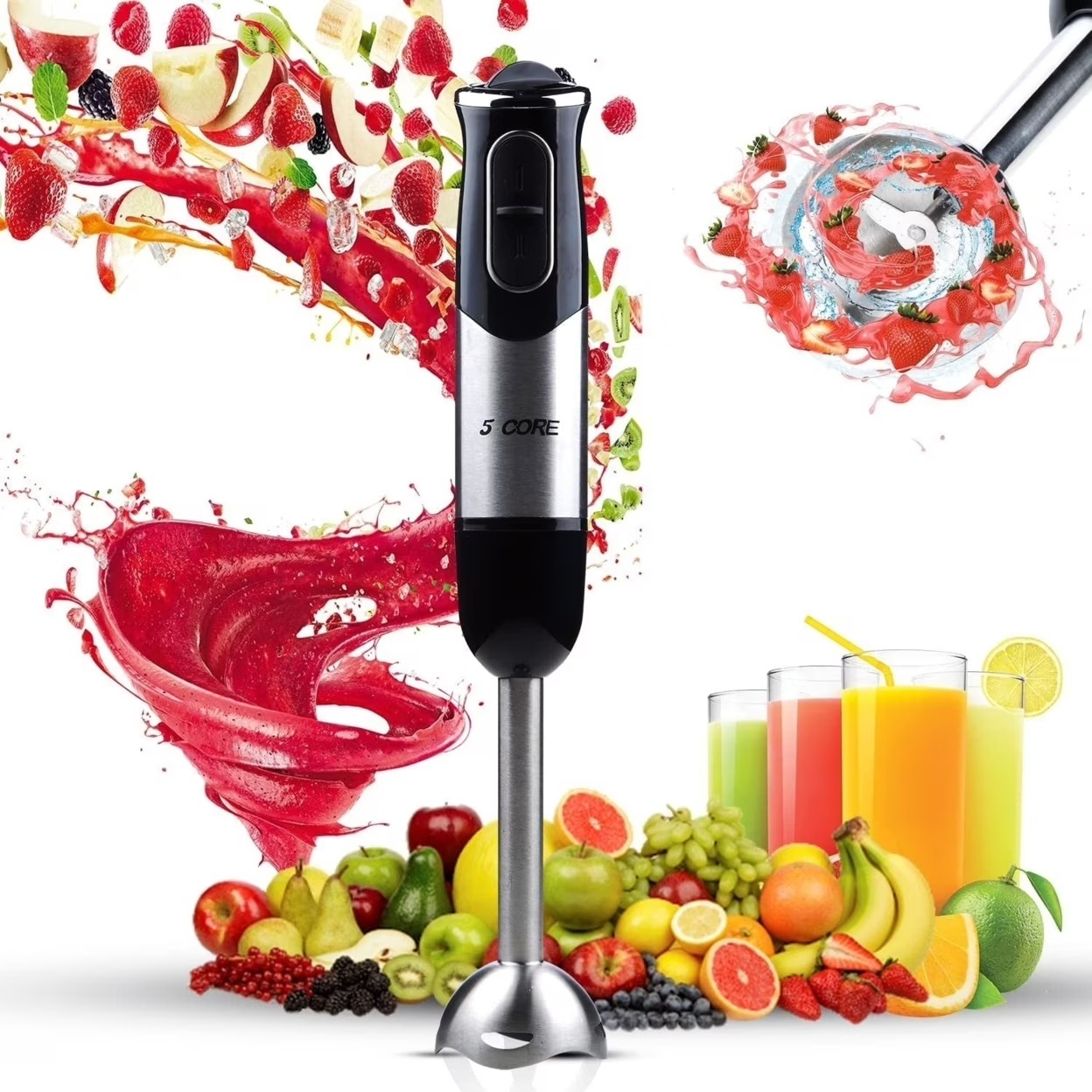
Key Features to Look for in Your Immersion Hand Blender
Choosing the right immersion hand blender can feel a bit like picking a magic wand – you want one that fits your hand, feels powerful, and is ready for any culinary spell you cast. Here’s what truly matters when you’re on the hunt:
Power and Speed Settings
Think of wattage as the muscle behind your blender. While models range from 150 watts to over 1000 watts, a higher wattage generally means more power to tackle tougher ingredients like fibrous vegetables or even light ice crushing. Look for variable speed settings, or even “stepless” speed control, which allows for ultra-precise adjustments, giving you fine-tuned control over your blends. This means you can gently combine delicate ingredients or power through hearty soups with equal ease.
Ergonomics and Comfort
You’ll be holding this tool, so comfort is key! An ergonomic handle with a non-slip grip ensures a secure hold, even when your hands are a little messy or wet. A well-balanced design prevents arm fatigue, especially during longer blending tasks, making your cooking experience much more enjoyable.
Detachable Shaft and Cleaning Ease
Nobody loves scrubbing stuck-on food. The best immersion hand blenders feature a detachable blending shaft that can be easily removed and rinsed under running water. Many are also dishwasher-safe, turning cleanup from a chore into a breeze. This design also keeps the motor unit safely away from water, prolonging its lifespan.
Anti-Splash Blade Guard
Ever had soup splatter across your kitchen? An anti-splash blade guard is a game-changer. This cleverly designed feature, often a bell-shaped housing around the blades, minimizes suction and prevents messy splatters, keeping your kitchen cleaner and your blending more efficient.
Versatile Attachments
While the basic blending shaft is incredibly useful, many immersion hand bl blenders come with a suite of attachments that expand their capabilities. A whisk attachment can whip cream or beat eggs in a flash, a mini chopper/food processor bowl is perfect for dicing herbs or nuts, and a blending beaker provides a convenient vessel for smoothies and dressings. These additions transform your immersion blender into a multi-purpose kitchen assistant.
Corded vs. Cordless Models
The choice between corded and cordless often comes down to personal preference and kitchen layout. Corded models typically offer consistent power and don’t require recharging, making them ideal for long blending sessions. Cordless immersion blenders, on the other hand, provide unparalleled freedom of movement, letting you blend anywhere without being tethered to an outlet. Just remember that cordless options require charging and might have slightly less power for heavy-duty tasks.
The Unbeatable Benefits of an Immersion Hand Blender in the Modern Kitchen
In today’s fast-paced culinary world, convenience and efficiency are paramount. The immersion hand blender delivers on both fronts, offering a suite of benefits that make it a must-have appliance:
Space-Saving Design
Unlike bulky countertop blenders or food processors, an immersion hand blender is wonderfully compact. It can easily tuck away into a drawer, hang on a hook, or slide into a cabinet, freeing up valuable counter space. This makes it a perfect fit for smaller kitchens, apartments, or anyone who appreciates a minimalist aesthetic. Its small footprint means less clutter and more room for cooking.
Effortless Cleanup
Perhaps one of its most celebrated advantages is the ease of cleaning. Since you blend directly in your cooking pot or serving bowl, there’s no need to transfer hot liquids to a separate blender jar, eliminating extra dishes and potential messes. A quick rinse of the detachable blending shaft under the tap immediately after use often does the trick, saving you precious time and effort.
Unmatched Versatility
From silky smooth soups to robust sauces, creamy dressings, and perfectly whipped cream, the immersion hand blender is a true culinary chameleon. With various attachments, it can blend, purée, emulsify, whisk, and even chop, replacing several other kitchen tools. “It’s like having a sous-chef in your hand, ready for any task,” says Chef Julian Thorne, a culinary innovator and long-time advocate for efficient kitchen tools.
Time-Saving Convenience
Imagine cooking a hearty vegetable soup and, instead of letting it cool and transferring it in batches to a traditional blender, you simply plunge your immersion blender right into the pot. This direct-to-pot blending saves a significant amount of time and effort, making homemade meals more accessible even on busy weeknights.
Precision and Control
The handheld design grants you direct control over the blending process. You can move the blender around, targeting specific chunks or adjusting the angle to achieve your desired texture—whether that’s a rustic consistency with small pieces or a perfectly smooth, velvety finish. This level of control is hard to achieve with a stationary blender.
Unleashing Culinary Creativity: What Can You Make with an Immersion Hand Blender?
The possibilities with an immersion hand blender are truly endless, transforming everyday ingredients into culinary delights. Here are just a few ideas to get your creative juices flowing:
- Smooth Soups and Sauces: This is arguably the immersion blender’s superstar role. Effortlessly purée cooked vegetables directly in the pot to create creamy tomato soup, vibrant broccoli cheddar, or a silky butternut squash bisque. It’s also fantastic for achieving perfect consistency in gravies, pan sauces, and rich hollandaise.
- Creamy Smoothies and Shakes: Blend fresh or frozen fruits with yogurt, milk, and your favorite protein powder right in your travel mug or a tall glass for a quick, nutritious breakfast or snack.
- Homemade Mayonnaise and Dressings: Emulsifying ingredients can be tricky, but an immersion blender makes homemade mayo, aioli, and vinaigrettes surprisingly simple. The consistent power helps create stable emulsions in seconds.
- Baby Food and Purées: Easily transform cooked fruits and vegetables into nutritious, homemade baby food. You can control the texture precisely, from smooth purées for infants to slightly chunkier blends for toddlers.
- Whipping Cream and Beating Eggs: With a whisk attachment, your immersion hand blender can whip heavy cream into fluffy peaks for desserts or perfectly beat eggs for omelets and custards, all without the need for a stand mixer.
- Batters and Dips: Quickly mix pancake or waffle batter without lumps, or create smooth, creamy dips like hummus, guacamole, or bean dip in a flash.
Mastering Your Immersion Hand Blender: A Step-by-Step Guide to Safe and Effective Use
While an immersion hand blender is incredibly user-friendly, a few tips can help you get the best results and ensure safety in your kitchen.
Preparation
- Choose the Right Container: Always use a deep pot, bowl, or beaker with high sides to prevent splashes. For hot items, a tall saucepan is ideal. Don’t fill the container more than two-thirds full to leave space for circulation.
- Assemble Securely: Before plugging in or turning on a cordless model, ensure the blending shaft is firmly attached to the motor unit.
- Position the Cord (if applicable): If using a corded model, ensure the cord is positioned safely away from hot surfaces or areas where it could be snagged or cut.
Submerging and Blending
- Submerge Completely: Always insert the blending head into your ingredients until the blades are fully submerged before you switch it on. This is the golden rule to prevent messy splattering.
- Start Slowly, Move Gently: Begin blending with short pulses or a lower speed setting. Once the ingredients start to combine, you can increase the speed. Move the blender gently up and down, or tilt it slightly, to ensure all ingredients are drawn into the blades for an even blend.
- Turn Off Before Removing: Just as you submerged it before turning it on, always switch off the immersion hand blender before lifting it out of the food. This again prevents unexpected splashes and keeps your workspace clean.
- Blend in Bursts: To prevent the motor from overheating and to extend the life of your appliance, blend in short bursts, taking brief pauses, especially when tackling tougher or thicker mixtures. For most small jobs, 30-60 seconds of continuous blending is usually sufficient.
Important Safety Tips
- Avoid Non-Stick and Glass: Refrain from using your immersion blender directly in non-stick coated pans as the blades could scratch the surface. Also, be cautious with glass dishes, as accidental contact with the blades could chip or shatter the glass.
- Hot Ingredients: While immersion blenders are excellent for hot soups, ensure the temperature is safe and within the manufacturer’s recommended guidelines.
- Keep Hands Clear: Always keep your fingers and utensils away from the blades while the blender is plugged in or operating.
Cleaning and Maintenance
- Unplug First: Always unplug your immersion hand blender before cleaning any part of it. For cordless models, ensure it’s powered off and the battery is removed if detachable.
- Rinse Immediately: For detachable shafts, rinse the blade end under warm running water right after use to prevent food from drying and sticking. Most are dishwasher-safe, but always check your manual.
- Wipe the Motor Unit: Never immerse the motor handle in water. Instead, wipe it clean with a damp cloth and mild soap, then dry thoroughly.
- Store Properly: Once clean and dry, store your immersion hand blender in a drawer or cabinet, or hang it up, ensuring it’s protected from accidental damage.
Immersion Hand Blender vs. Traditional Blenders: Which One is Right for You?
The kitchen appliance aisle can be a confusing place, especially when comparing blenders. While both immersion and traditional (countertop) blenders aim to make things smooth, they excel in different arenas.
Immersion Blender Strengths
- Convenience & Speed: Blends directly in the cooking pot, reducing transfer steps and cleanup.
- Space-Saving: Compact design ideal for smaller kitchens.
- Versatility: Excellent for soups, sauces, dressings, and smaller batches.
- Precision Control: Handheld nature allows you to target specific areas and control texture.
Immersion Blender Limitations
- Less Power: Generally less powerful than countertop blenders, struggling with very hard ingredients like large ice cubes or large quantities of frozen fruit.
- Consistency: May not achieve the ultra-smooth, perfectly emulsified consistency that high-powered stand blenders can.
- Hands-On: Requires you to hold and guide it throughout the blending process.
Traditional Blender Strengths
- High Power: Often features robust motors capable of crushing ice, pulverizing frozen fruits, and handling tough ingredients with ease.
- Ultra-Smooth Results: Ideal for silky smooth smoothies, purées, and nut butters.
- Hands-Free Operation: Once loaded, it can blend autonomously, allowing you to multitask.
- Capacity: Larger pitchers are great for big batches.
Traditional Blender Limitations
- Bulky: Takes up significant counter and storage space.
- Cleanup: Requires transferring hot ingredients and thorough cleaning of the pitcher and lid.
- Less Flexible: Cannot blend directly in a cooking pot; requires pouring contents into the blender jar.
The Verdict
For many home cooks, an immersion hand blender is an incredibly practical and often sufficient tool for daily culinary tasks. If your primary needs involve making soups, sauces, dressings, and quick smoothies, it’s an excellent choice. However, if you regularly make large batches of frozen drinks, crush a lot of ice, or demand the absolute smoothest consistency for specific recipes, a powerful countertop blender might be a better fit. For the truly avid cook, having both offers the ultimate flexibility in the kitchen.
Tips for Choosing and Maintaining Your Immersion Hand Blender
To ensure your immersion hand blender serves you well for years to come, keep these tips in mind:
Assessing Your Needs
Before buying, consider what you’ll primarily use it for. If it’s mostly for soft soups and sauces, a moderately powered model will suffice. For tougher tasks or more frequent use, invest in a higher wattage unit with robust attachments.
Material Quality
Look for stainless steel blending shafts and blades, as these are more durable, less prone to staining, and easier to clean than plastic alternatives. A sturdy, well-built feel often indicates better longevity.
Aftercare for Longevity
Always clean your blender promptly after each use. Pay attention to the manufacturer’s care instructions regarding dishwasher safety and motor unit cleaning. Proper care prevents food buildup, keeps blades sharp, and extends the life of your appliance.
Frequently Asked Questions about Immersion Hand Blenders
Can an immersion hand blender crush ice?
While some powerful immersion hand blenders can handle small amounts of ice, especially with a chopper attachment, they are generally not designed for heavy-duty ice crushing. For large quantities of ice or consistently smooth frozen drinks, a traditional countertop blender is usually a better choice.
Is an immersion hand blender worth it?
Absolutely! For most home kitchens, an immersion hand blender is an incredibly worthwhile investment. Its convenience, versatility, and ease of cleanup make it a practical tool for daily cooking, saving time and reducing mess, especially compared to larger blenders.
How long can you continuously run an immersion hand blender?
To prevent overheating, it’s generally recommended to run an immersion hand blender in short bursts, typically no more than 30-60 seconds at a time, especially for thicker mixtures. Always refer to your specific model’s manual for precise guidelines.
Can I use an immersion hand blender in a non-stick pot?
It’s generally advised to avoid using an immersion hand blender directly in non-stick cookware. The metal blades can scratch and damage the non-stick coating over time. If you must, exercise extreme caution or transfer ingredients to a different container.
How do you clean an immersion hand blender effectively?
The best way to clean most immersion hand blenders is to detach the blending shaft and rinse it immediately under warm water. Many shafts are dishwasher-safe. The motor unit should never be submerged in water; instead, wipe it clean with a damp cloth and mild soap.
Conclusion
The immersion hand blender is more than just a kitchen tool; it’s an invitation to a more efficient, creative, and less messy way of cooking. From streamlining your soup-making process to whipping up delectable sauces and healthy smoothies in a flash, this compact appliance proves that great things truly do come in small packages. Embracing an immersion hand blender means reclaiming counter space, simplifying cleanup, and gaining newfound confidence in tackling a diverse range of recipes. So go ahead, plunge into culinary possibilities, and discover how this unassuming wand can transform your everyday kitchen into a realm of effortless gourmet creation.