In the fast-paced world of professional culinary arts, precision, speed, and consistency are non-negotiable. While many gadgets promise to revolutionize your prep work, few deliver with the versatile power and efficiency of a high-quality commercial immersion blender. This isn’t just a kitchen tool; it’s a culinary powerhouse, designed to tackle everything from gallons of simmering soup to delicate emulsifications, all without breaking a sweat – or your workflow. If you’re running a bustling restaurant, a vibrant catering business, or a busy institutional kitchen, understanding the profound impact and operational advantages of integrating a professional-grade immersion blender into your setup is absolutely essential.
What Exactly is a Commercial Immersion Blender?
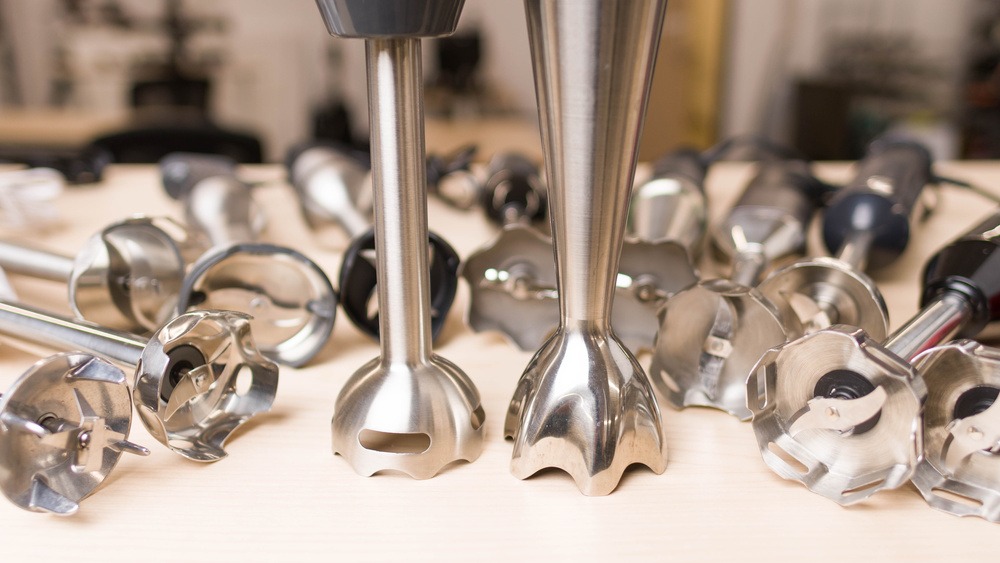
At its heart, a commercial immersion blender, often affectionately called a stick blen
or hand blender, is a portable, handheld blending device. Unlike its stationary countertop cousins, this agile tool allows you to blend, puree, emulsify, and whip ingredients directly in their cooking vessels – be it a massive stockpot, a deep mixing bowl, or even a specialized container. Think about the convenience: no more transferring piping hot liquids back and forth, risking spills or messy cleanups. Designed for the rigorous demands of professional use, these units boast superior power, durability, and features that far outstrip their domestic counterparts, making them indispensable workhorses in any serious kitchen.
Why Every Professional Kitchen Needs a Commercial Immersion Blender
The advantages of a commercial immersion blender extend far beyond simple blending. They contribute to a more efficient, versatile, and safer kitchen environment.
Unmatched Versatility for Culinary Tasks
From the foundational bases of your menu to the finishing touches, an immersion blender offers incredible flexibility. It can effortlessly puree hearty vegetable soups to a silky-smooth consistency, create luscious sauces and gravies, whip airy meringues, or emulsify dressings and mayonnaise with perfect stability. This single tool can perform tasks that would otherwise require multiple pieces of equipment, streamlining your entire culinary process.
Unleashing Efficiency and Saving Time
Time is money in a commercial kitchen, and an immersion blender is a champion of time-saving. The ability to blend directly in the cooking pot means you eliminate cumbersome transfer steps, reducing both prep time and, crucially, the number of dirty dishes. Imagine pureeing a 20-gallon batch of bisque without ever lifting it from the stove – that’s efficiency you can literally feel.
Handling High Volumes with Ease
Traditional blenders often come with capacity limitations, requiring multiple batches for large quantities. A commercial immersion blender breaks through this barrier, allowing you to process significant volumes of ingredients in their existing containers. This is particularly vital for establishments preparing food for many diners, ensuring consistency across every serving.
|
Our Picks for the Best Immersion Blender in 2026
As an Amazon Associate I earn from qualifying purchases.
|
||
| Num | Product | Action |
|---|---|---|
| 1 | Immersion 8 in 1 Hand Blender 25 Speed & Turbo Mode Handheld Blenders Electric Sitck Blender with Beaker Chopper Milk Frother Frother Grinder and Mixer |

|
| 2 | KitchenAid Variable Speed Corded Hand Blender KHBV53, Contour Silver |
|
| 3 | Ganiza Immersion Blender 5 in 1 Hand Blender Max 1000W Heavy Duty Motor, 16 Speed Mode Handheld Blender Stainless Steel Blade With 800ml Mixing Beaker, 600ml Chopper, Whisk and Milk Frother |
|
| 4 | Immersion Blender Handheld Corded Hand Blenders Set 1100W, Trigger Variable Speed 5 in 1 Stick Emulsifier with Chopper, Whisk and Frother for Soup, Baby Food and Smoothies |
|
| 5 | Waring Commercial WSB60 Big Stix Heavy Duty Immersion Blender, 16\" Removable Shaft, 1 HP/700 Watt Variable Speed Motor, 120V, 5-15 Phase Plug,Black/Silver,25-Gallon |
|
| 6 | KitchenAid Variable Speed Corded Hand Blender KHBV53, Onyx Black |
|
| 7 | KitchenAid Variable Speed Corded Hand Blender KHBV53, Empire Red |
|
| 8 | Amazon Basics Multi-Speed Immersion Hand Blender for Kitchen Mixing, Smoothies, Soups, 500 Watt Powerful, with Blending Stick, Whisk, Chopper and Beaker, Silver |
|
| 9 | 1800W Immersion Blender Handheld 4-in-1 Hand Blender Stick for Ice Crushing Smoothie, Baby Food, Soup, 8 Speed Hand Mixer Turbo Boost Stainless Steel Blade with Whisk, Chopper, Beaker |
|
| 10 | 2025 New 1000W Immersion Blender Handheld – 25-Speed, Stainless Steel, Hand Blender, Corded Hand Mixer with Heavy-Duty Copper Brushless Motor & Gift Box |
|
Space-Saving Design and Portability
Kitchen space is a premium commodity. Unlike bulky countertop blenders or food processors, immersion blenders are compact and require minimal storage. Their handheld nature also means they can be moved freely around the kitchen, bringing the blending power precisely where it’s needed, whether at a prep station, a stovetop, or a finishing line.
Enhanced Safety and Ergonomics
Modern commercial units are engineered with user safety and comfort in mind. Ergonomic grips, balanced designs, splash guards, and intuitive controls minimize operator fatigue and reduce the risk of accidents. Features like safety locking mechanisms and waterproof switches further ensure a secure working environment, even during intense culinary tasks.
Key Features to Seek in a Top-Tier Commercial Immersion Blender
Choosing the right commercial immersion blender is an investment in your kitchen’s future. Here’s what to look for to ensure you get the best fit:
Motor Power and Speed
This is where commercial blenders truly differentiate themselves. Look for units rated in horsepower (HP) and wattage. Heavy-duty models typically boast 2-3.5+ HP motors and 600-1500 watts, capable of tackling dense ingredients without faltering. Variable speed control, measured in RPM (Rotations Per Minute), is also critical, allowing you to adjust power for delicate tasks like whipping cream or robust jobs like pureeing fibrous vegetables. A good balance of high RPM for speed and robust horsepower for tough ingredients is ideal.
Shaft Length and Durability
Commercial immersion blenders come with blending shafts ranging from 7 inches to over 29 inches. Select a length that can comfortably reach the bottom of your deepest pots and containers, ensuring thorough blending without bending over awkwardly. The shaft and blade bell should be constructed from high-quality stainless steel for hygiene, heat resistance, and long-lasting durability. Detachable shafts are a major plus for easy cleaning and maintenance.
Ergonomic Design and Control
Comfort and control are paramount, especially during extended use. Look for models with comfortable, non-slip handles, and intuitive button controls (often preferred over dials for quick adjustments). Some larger units even feature a second handle for added stability.
Attachments and Accessories
Many commercial immersion blenders offer interchangeable attachments, such as whisk heads for whipping and emulsifying discs for perfect sauces. These expand the utility of your blender, making it an even more versatile tool.
Max Run Time and Overheat Protection
For continuous commercial operation, check the maximum recommended run time to avoid motor overheating and premature wear. Professional models are built for endurance, but knowing their limits is always wise.
Immersion Blender vs. Countertop Blender: Choosing Your Culinary Champion
While both serve to blend, commercial immersion blenders and countertop blenders excel in different arenas.
- Commercial Immersion Blender: Your go-to for in-pot blending of hot soups and sauces, emulsifying small to large batches, and tasks requiring mobility. Its strengths lie in portability, direct blending, ease of cleaning for the shaft, and precise texture control.
- Commercial Countertop Blender: The powerhouse for crushing ice, crafting high-volume frozen drinks, and achieving exceptionally smooth purees from tough, raw ingredients. These units are stationary, typically have fixed containers, and are designed for intense, continuous blending of specific recipes.
For many bustling commercial kitchens, the answer isn’t one or the other; it’s both. A powerful countertop blender handles the high-volume, demanding tasks, while the agile immersion blender provides unparalleled convenience for in-pot work and quick, specialized jobs. This “power of two” approach ensures maximum flexibility and efficiency, equipping you with the right tool for every culinary challenge.
Practical Applications: What Can You Create with a Commercial Immersion Blender?
The possibilities are endless once you harness the power of a commercial immersion blender.
Soups and Sauces
This is arguably where the immersion blender shines brightest. Transform chunky vegetable stews into velvety bisques, effortlessly smooth out gravies, or create rich, consistent pasta sauces directly in the pot. The ability to blend hot ingredients without transferring them is a game-changer for consistency and safety.
Emulsions
Achieve perfectly stable emulsions like homemade mayonnaise, creamy hollandaise, or vibrant vinaigrettes. The powerful blades and precise control make emulsifying a breeze, yielding consistently smooth and cohesive results every time.
Whipping and Aerating
Equipped with a whisk attachment, your immersion blender can quickly whip egg whites into stiff peaks for meringues, aerate light batters, or create beautifully fluffy whipped creams for desserts.
Purees
From silky smooth fruit purees for coulis and desserts to hearty vegetable purees for sides or baby food, the immersion blender delivers exceptional texture. You can even tackle nuts for fine pastes or savory spreads.
Tips for Selecting and Maintaining Your Commercial Immersion Blender
Choosing wisely and caring diligently will maximize your investment.
When buying, consider the average batch size you’ll be handling, the types of ingredients you’ll be blending most frequently, and the available power outlets in your kitchen. Opt for reputable brands known for their commercial kitchen equipment.
For maintenance, always detach the blending shaft for thorough cleaning, ideally after every use. Most stainless steel shafts are dishwasher-safe, simplifying cleanup significantly. Regularly inspect blades for sharpness and the shaft for any damage. Follow manufacturer guidelines for lubrication and servicing to ensure longevity.
Safety is paramount: always ensure the blade head is fully submerged before activating, keep hands and utensils clear during operation, and never force the motor.
Expert Insight: “The Immersion Blender Revolution”
Chef Isabella Rossi, a celebrated executive chef with over two decades of experience in Michelin-starred kitchens, often emphasizes the transformative power of the right tools. “A commercial immersion blender isn’t just a gadget; it’s an extension of the chef’s hand,” she explains. “It empowers us to achieve unparalleled consistency and velvety textures directly in the cooking pot, saving precious time and elevating every dish from a rustic soup to a delicate hollandaise. It’s truly a game-changer for high-volume precision.”
Frequently Asked Questions About Commercial Immersion Blenders
Q: What makes a commercial immersion blender different from a home model?
A: Commercial immersion blenders are significantly more powerful, durable, and designed for continuous, high-volume use. They feature stronger motors, longer stainless steel shafts, and robust construction to withstand the demands of a professional kitchen, unlike home models built for occasional, lighter tasks.
Q: Can I use a commercial immersion blender in hot liquids?
A: Absolutely! One of the primary advantages of a commercial immersion blender is its ability to blend hot soups, sauces, and stocks directly in their cooking vessels, eliminating the need for hazardous transfers and preserving heat.
Q: What shaft length should I choose for my kitchen?
A: The ideal shaft length depends on the size of your typical cooking pots and containers. A good rule of thumb is to choose a shaft that is 3-4 inches longer than your tallest pot to ensure safe and effective blending without straining.
Q: Are commercial immersion blenders difficult to clean?
A: Not at all! Most commercial models feature detachable stainless steel shafts that are often dishwasher-safe, making cleanup quick, easy, and hygienic.
Q: What are the most common uses for an immersion blender in a restaurant?
A: Commercial immersion blenders are predominantly used for pureeing soups and sauces, creating stable emulsions like mayonnaise, whipping creams and egg whites, and blending various batters and dressings.
Q: Is variable speed control important?
A: Yes, variable speed control is highly beneficial as it allows chefs to precisely adjust the blending speed to achieve different textures, from coarse to ultra-smooth, and to accommodate a wide range of ingredients and applications.
The Final Blend: Why a Commercial Immersion Blender is an Indispensable Tool
In the relentless rhythm of a commercial kitchen, every tool must earn its place. The commercial immersion blender doesn’t just earn it; it commands it. Its ability to deliver power, precision, and unparalleled convenience directly to your cooking, all while saving time and space, makes it an indispensable asset. Whether you’re a seasoned executive chef or a culinary enthusiast looking to elevate your large-scale preparations, investing in a high-quality commercial immersion blender will undoubtedly transform your kitchen operations, allowing you to create consistently exquisite dishes with newfound ease and efficiency. So, go ahead, dive in, and experience the blending revolution for yourself!