Imagine a world where creating velvety-smooth, restaurant-quality soups doesn’t involve wrestling with hot liquids, dangerous transfers, or a mountain of dishes. Sounds like a dream, right? Well, with the humble yet mighty immersion blender for soup, that dream is your everyday reality. This isn’t just another kitchen gadget; it’s a game-changer for anyone who loves homemade soup, transforming chunky concoctions into silky masterpieces with minimal fuss and maximum flavor.
|
Our Picks for the Best Immersion Blender in 2026
As an Amazon Associate I earn from qualifying purchases.
|
||
| Num | Product | Action |
|---|---|---|
| 1 | Immersion Blender Handheld Corded Hand Blenders Set 1100W, Trigger Variable Speed 5 in 1 Stick Emulsifier with Chopper, Whisk and Frother for Soup, Baby Food and Smoothies |

|
| 2 | Ganiza Immersion Blender 5 in 1 Hand Blender Max 1000W Heavy Duty Motor, 16 Speed Mode Handheld Blender Stainless Steel Blade With 800ml Mixing Beaker, 600ml Chopper, Whisk and Milk Frother |
|
| 3 | Waring Commercial WSB60 Big Stix Heavy Duty Immersion Blender, 16\" Removable Shaft, 1 HP/700 Watt Variable Speed Motor, 120V, 5-15 Phase Plug,Black/Silver,25-Gallon |
|
| 4 | Amazon Basics Multi-Speed Immersion Hand Blender for Kitchen Mixing, Smoothies, Soups, 500 Watt Powerful, with Blending Stick, Whisk, Chopper and Beaker, Silver |
|
| 5 | KitchenAid Variable Speed Corded Hand Blender KHBV53, Contour Silver |
|
| 6 | 2025 New 1000W Immersion Blender Handheld – 25-Speed, Stainless Steel, Hand Blender, Corded Hand Mixer with Heavy-Duty Copper Brushless Motor & Gift Box |
|
| 7 | KitchenAid Variable Speed Corded Hand Blender KHBV53, Onyx Black |
|
| 8 | KitchenAid Variable Speed Corded Hand Blender KHBV53, Empire Red |
|
| 9 | 1800W Immersion Blender Handheld 4-in-1 Hand Blender Stick for Ice Crushing Smoothie, Baby Food, Soup, 8 Speed Hand Mixer Turbo Boost Stainless Steel Blade with Whisk, Chopper, Beaker |
|
| 10 | Immersion 8 in 1 Hand Blender 25 Speed & Turbo Mode Handheld Blenders Electric Sitck Blender with Beaker Chopper Milk Frother Frother Grinder and Mixer |
|
What Exactly is an Immersion Blender?
Often called a hand blender or stick blender, an immersion blender is a long, wand-like kitchen tool with blades at one end and a motor at the other. Its genius lies in its name: you “immerse” it directly into your food. Forget the bulky countertop blenders that demand you carefully ladle hot, steamy soup into a separate jar, risking splashes and burns. The immersion blender brings the blending power right to your pot, streamlining your cooking process and making cleanup a breeze. It’s the ultimate tool for achieving that perfectly smooth texture you crave, whether you’re whipping up a classic tomato soup or an exotic curried lentil delight.
Why an Immersion Blender is Your Soup’s Best Friend
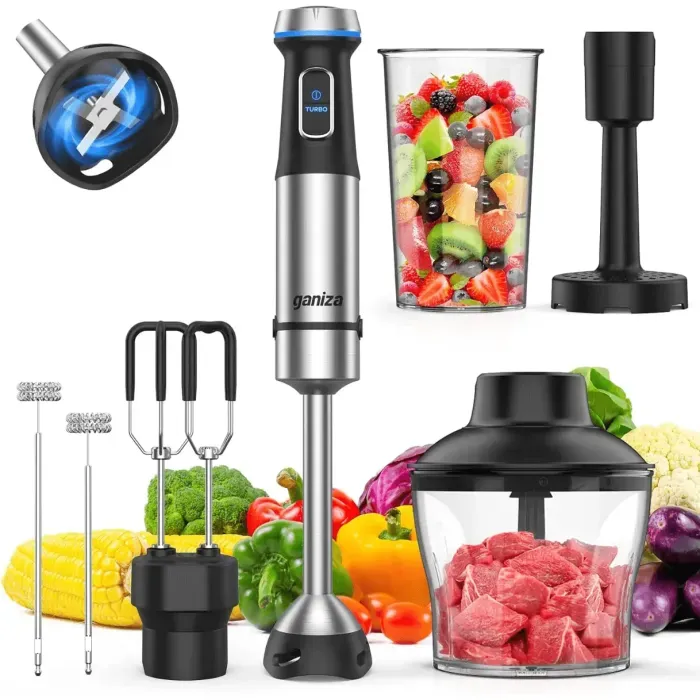
When it comes to crafting delicious soups, an immersion blender isn’t just convenient; it’s practically indispensable. Here’s why this versatile tool truly shines in your soup-making adventures:
- Blend Directly in the Pot: This is the number one advantage. No more transferring scorching hot liquids to a traditional blender, which not only saves time but significantly reduces the risk of messy spills or serious burns. Your soup stays right where it’s cooking, maintaining its warmth.
- Effortless Cleanup: With most models, the blending shaft detaches and can be rinsed under running water or tossed in the dishwasher. Compare that to scrubbing a large blender jar and its various components, and you’ll instantly appreciate the simplicity.
- Achieve Perfect Texture Control: Want a rustic soup with a few delightful chunks? Blend for less time. Craving a velvety, smooth bisque? Blend longer. An immersion blender gives you precise control over your soup’s consistency, allowing you to customize it exactly to your liking.
- Space-Saving Design: Unlike bulky countertop blenders that monopolize precious counter or cabinet space, immersion blenders are compact. They fit neatly into a drawer or can hang on a hook, making them ideal for smaller kitchens.
- Prevent Dangerous Pressure Buildup: Blending hot liquids in a sealed traditional blender can lead to steam buildup and potential lid explosions – a truly dangerous scenario. An immersion blender, used correctly in an open pot, eliminates this risk, offering a safer way to puree.
Key Features to Look For in an Immersion Blender for Soup
Choosing the right immersion blender can elevate your soup-making from good to gourmet. Here are some essential features to consider:
- Powerful Motor: For effortlessly smooth soups, especially those with fibrous vegetables or tougher ingredients, look for a model with a robust motor, ideally 300 watts or higher. Some top-tier immersion blenders boast over 600 watts, making quick work of anything you throw at them.
- Variable Speed Settings: This is crucial for control. Starting at a low speed prevents splattering, while gradually increasing the speed allows you to achieve your desired level of smoothness. Some models offer intuitive pressure-sensitive controls, blending faster the harder you press.
- Durable Stainless Steel Blending Shaft: A stainless steel shaft is not only more durable but also safer for use with hot liquids and less likely to stain than plastic.
- Thoughtful Blade Guard Design: Look for a blade guard with ample openings or a bell shape that creates a vortex, pulling ingredients towards the blades for a more consistent blend. A plastic tip on the blade guard is a bonus, protecting your precious non-stick pots and pans from scratches.
- Ergonomic Grip: A comfortable, non-slip handle is essential for safe and stable operation, especially when blending for extended periods.
- Attachments (Optional but Handy): While your primary goal is soup, many immersion blenders come with useful accessories like whisk attachments (great for whipping cream or eggs) or mini choppers (perfect for herbs or nuts), adding to their overall versatility.
- Cord Length or Cordless Option: Consider your kitchen layout. A longer cord offers more freedom, while a cordless model provides ultimate mobility, though you’ll need to remember to charge it.
When selecting your immersion blender, think about your typical soup-making habits. Do you mostly make small batches or large quantities? Do you prefer silky-smooth purees or slightly chunkier textures? Your answers will guide you to the perfect model.
Benefits of Using an Immersion Blender for Soup in a Modern Kitchen
In today’s fast-paced world, kitchen tools that save time, reduce mess, and deliver professional results are invaluable. The immersion blender for soup fits this bill perfectly. It’s not just about convenience; it’s about enhancing your culinary experience and broadening your repertoire. From weeknight dinners to impressive entertaining, this tool helps you create nutrient-dense, flavorful meals with remarkable ease. It encourages experimentation with fresh ingredients, allowing you to quickly transform roasted vegetables into a comforting bisque or simmered legumes into a hearty puree. Its ability to handle hot liquids safely makes it a go-to for busy parents preparing baby food directly in the pot, or for anyone seeking to create creamy sauces without extra dishes.
Detailed Guide: How to Use Your Immersion Blender for Soup Safely and Effectively
Using an immersion blender is straightforward, but a few pro tips will ensure safety, efficiency, and the best possible results for your soup.
- Preparation is Key:
- Cool Slightly: While immersion blenders are designed for hot liquids, avoid blending soups that are at a rolling boil. Let your soup cool for 5-10 minutes (to around 175°F/80°C) to reduce excessive steam and the risk of splattering.
- Use a Deep Pot: Ensure your cooking pot is deep enough to contain the liquid, leaving a few inches of space from the top. This prevents overflow and splashing. If you have a wider pot, gently tilt it to pool the liquid for easier blending.
- Assemble Correctly: Securely attach the blending shaft to the motor body, ensuring it clicks into place if it’s detachable.
- The Blending Technique:
- Submerge Fully BEFORE Starting: This is crucial for preventing a hot mess. Always insert the blade end of the immersion blender completely into the soup before pressing the power button.
- Start Low, Go Slow: Begin blending at the lowest speed setting. This helps break down larger pieces without creating a volcano of hot liquid.
- Move Methodically: Guide the blender slowly around the pot, using gentle up-and-down motions and circular sweeps. Think of it like a paintbrush, ensuring every part of the soup gets blended. Lift the blender slightly to incorporate ingredients from the bottom, but always keep the blades submerged.
- Consistency Check: Periodically stop and lift the blender (making sure it’s off before lifting!) to check the texture. Blend longer for a smoother puree, or stop sooner for a chunkier consistency.
- Prevent Suction: If you feel the blender suctioning to the bottom of the pot, gently tilt it or lift it slightly to break the seal.
- Optional Splatter Guard: For extra protection, especially with very full pots, drape a clean kitchen towel over the pot’s opening while blending.
- Finishing Up:
- Turn Off Before Removing: Always switch off the immersion blender before lifting it out of the soup. This prevents any last-minute splashes.
- Immediate Rinse: Detach the blending shaft immediately and rinse it under warm water. This prevents food from drying onto the blades, making cleanup much easier.
As Chef Eleanor Vance, a renowned culinary expert, often advises, “An immersion blender isn’t just a tool; it’s an extension of your culinary intention. With mindful use, it transforms ordinary ingredients into extraordinary experiences, especially when it comes to comforting bowls of soup.”
Popular Soups and Dishes You Can Master with an Immersion Blender
The possibilities are truly endless when you have an immersion blender at your disposal. Here are just a few of the many delicious soups and dishes you can perfect:
- Creamy Vegetable Soups: Think classic Butternut Squash, Roasted Cauliflower, Potato Leek, Carrot Ginger, or even a vibrant Zucchini Basil. These soups achieve unparalleled smoothness with ease.
- Hearty Legume Soups: Transform a rustic Split Pea or White Bean soup into a velvety, comforting meal. The immersion blender effortlessly breaks down the legumes for a luscious texture.
- Tomato-Based Creations: From a simple Homemade Tomato Soup to a rich Marinara Sauce, an immersion blender can eliminate unwanted chunks for a silky finish.
- Broccoli Cheddar Soup: Achieve that restaurant-style smoothness and perfect emulsion of cheese without any lumps.
- Baby Food Purees: Quickly and safely blend cooked fruits and vegetables directly in a jar or small pot, making homemade baby food a breeze.
- Smooth Sauces and Gravies: Remove lumps from gravies or create silky pan sauces after searing meats.
Tips for Choosing and Maintaining Your Immersion Blender for Soups
To ensure your immersion blender remains a reliable kitchen companion for years to come, keep these tips in mind:
- Prioritize Power and Speed Control: As discussed, these are the most critical features for efficient and versatile soup blending.
- Consider Your Budget: Immersion blenders range widely in price. Determine what features are essential for you and find a model that offers the best balance of performance and affordability. You don’t always need the most expensive model for excellent results.
- Read Reviews: Look for feedback from other home cooks, specifically focusing on how the blender performs with hot liquids and soups.
- Immediate Cleanup: The golden rule of immersion blenders! Rinse the blending shaft immediately after use to prevent food from drying and hardening on the blades. For most models, the detachable shaft is dishwasher safe, but a quick hand rinse is often all that’s needed.
- Proper Storage: Store your immersion blender in a dry place. If it has multiple attachments, ensure they are also clean and dry before storing them together.
Immersion Blender vs. Traditional Blender for Soups: A Quick Look
While both appliances blend, they excel in different areas:
| Feature | Immersion Blender | Traditional Countertop Blender |
|---|---|---|
| Hot Liquids | Ideal; blends directly in pot, less risk of burns. | Can be risky due to steam buildup; requires careful handling and cooling. |
| Convenience | High; blend in any container, easy cleanup. | Lower; requires transferring liquids, more cleanup. |
| Texture Control | Precise; allows for chunky or smooth results. | Generally aims for uniform smoothness; less subtle control. |
| Mess Factor | Low; minimal splattering if used correctly. | Higher risk of splattering when transferring hot liquids. |
| Space | Compact; easy to store. | Bulky; takes up significant counter or cabinet space. |
| Power | Sufficient for most pureeing tasks. | Generally more powerful, ideal for crushing ice, frozen fruit. |
For hot soups and everyday blending tasks, the immersion blender clearly takes the lead due to its convenience, safety, and precise control.
Frequently Asked Questions About Immersion Blenders for Soup
Q1: Can I use an immersion blender in boiling soup?
A1: It’s best to let your soup cool slightly from a rolling boil for about 5-10 minutes (down to approximately 175°F or 80°C). This reduces excessive steam and minimizes the risk of splattering hot liquid, making the blending process safer and less messy.
Q2: How do I prevent splattering when using an immersion blender in soup?
A2: Always ensure the blade head is completely submerged in the soup before turning the blender on. Start at the lowest speed setting and move the blender slowly. Using a deep pot and not overfilling it also helps contain any potential splashes. Some cooks also drape a clean kitchen towel over the pot for extra protection.
Q3: What’s the best technique for getting a perfectly smooth soup with an immersion blender?
A3: Submerge the blender fully, start on a low speed, then gradually increase. Move the blender in slow, circular motions and gentle up-and-down movements, ensuring the blades reach all parts of the pot. Continue until no lumps remain and your desired silky consistency is achieved.
Q4: How do I clean my immersion blender after making soup?
A4: Immediately after blending, turn off and unplug the blender. Detach the blending shaft (if removable) and rinse it thoroughly under warm running water. A little dish soap can help. If your shaft is dishwasher safe, you can place it there. Cleaning right away prevents food from drying and becoming difficult to remove.
Q5: What kind of soups are best made with an immersion blender?
A5: Immersion blenders excel with creamy vegetable soups like butternut squash, tomato, potato leek, and roasted cauliflower. They are also fantastic for legume-based soups such as split pea or white bean, and for making smooth sauces or purees directly in the pot.
Q6: Is an immersion blender better than a regular blender for soup?
A6: For hot soups, an immersion blender is generally preferred. It allows you to blend directly in the cooking pot, eliminating the hazardous step of transferring hot liquids and making cleanup much easier. Traditional blenders are often more powerful for frozen ingredients or larger batches but require more caution with heat.
The Final Blend
There you have it – the ultimate guide to the immersion blender for soup. From its convenient design to its unmatched ability to create culinary magic directly in your pot, this tool truly is a kitchen essential. It’s more than just a blender; it’s an invitation to explore a world of creamy textures, rich flavors, and effortless cooking. So go ahead, grab your immersion blender, dive into a pot of simmering goodness, and transform your everyday meals into extraordinary experiences. Happy blending!